

#1
Inspections & Appraisals
Important Tips to Keep in Mind During the Process.
The Process
Initial Agreement and Deposit
A solid purchase agreement is a legal contract between a buyer and a seller, and getting it right matters just as much as any other step in the deal. A few things we've learned from being on both sides of the table as investors ourselves:
- Get everything in writing. Verbal agreements, counter-offers, and addendums should all be documented. We can help draft these and make sure every party has a copy, no exceptions.
- Stick to the timeline. You and the seller will agree on a schedule for every stage of closing, and holding to it keeps the deal moving and everyone accountable.
The Closing Agent
Once both sides sign off and the contract is in place, a title company or attorney steps in as the escrow, or closing agent, and your deposit gets put down. This neutral third party holds and distributes all funds tied to the transaction until closing day. They'll also dig into the property's history to confirm the title is clear of encumbrances and that anything new gets recorded correctly. Before escrow closes and the purchase is official, every contingency in the Purchase Agreement has to be satisfied.
How to Hold Title
There's more than one way to hold title, or ownership, on a property, and each option carries different weight for transfer, financing, and taxes down the line. We recommend talking to an attorney or tax advisor to figure out what's right for your situation, and we're glad to connect you with people we trust in the Atlanta market.
As part of the contingencies in your Purchase Agreement, you'll schedule a licensed inspector within the agreed-upon window. Inspectors assess the property's condition and flag any issues, and for bigger investments, it's worth bringing in specialists for things like the roof or plumbing. Commercial buyers may also need an environmental audit or soil test for the lender. If inspections turn up problems that weren't part of the original agreement, you have the right to renegotiate terms, most often price. Once you're satisfied, the contingencies get removed and the deal moves forward.
Appraisals and Lending
Stay close to your lender throughout this stage so nothing catches you off guard. If financing is part of the Purchase Agreement, the lender will require a third-party appraisal to confirm the property's value. Appraisers factor in building costs, square footage, income potential, and more to land on an accurate number. As a rule, check in with your lender about two weeks before closing to confirm the loan is on track.
Association Approval
Some properties require sign-off from an association before you can close. If that's the case, request every rule, regulation, and required document from the seller upfront. Your Purchase Agreement should include a timeline for submitting paperwork or scheduling any appointments the association needs. Once you're approved, your closing agent will request the original approval letter so it can be recorded with the deed in the county records.
Property Insurance
Basic property insurance covers damage from fire, theft, and certain weather events like wind or hail. Most states don't legally require coverage, but nearly every mortgage lender will. Whether you're buying to live in the property or to hold it as a rental, you'll need the right policy in place, either homeowners insurance or landlord insurance, before closing.
Ready to talk strategy? Call us at 404.477.4009 or fill out this short form and one of our team members will be in touch.
Get In Touch
Tips For Buying The Perfect Home

Don’t Max Out Your Budget
Just because you're approved for a certain amount doesn't mean you should spend it all on the purchase price. Set money aside for closing costs, taxes, and the repairs or upgrades that come with owning rental property.

Know the Submarket
Every Atlanta neighborhood performs differently for rental investors. Understand the local rent comps, tenant demand, and proximity to schools, shopping, and transit before you commit.

Never Skip the Inspection
A thorough inspection protects your investment. It surfaces issues you won't catch on your own and gives you the full picture before you close, not after.

Get Pre-Approved
Pre-approval tells sellers you're a serious buyer ready to move, not just kicking tires. It's the first real step toward closing your next deal.
One Partner For All Your Real Estate Needs


What Price Range Can I Afford?
Resources For Atlanta Home Buyers
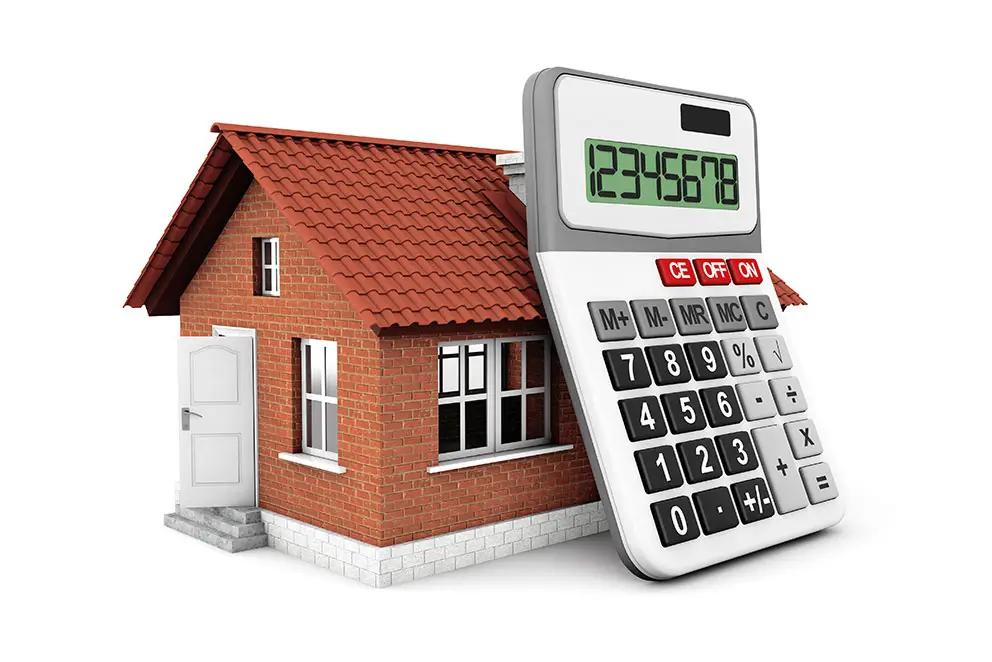
The journey to homeownership starts by understanding how much you can afford. One major thing to consider is your down payment, if any. Many consumers believe it's impossible to buy a home without at least 20 percent down. But thanks to various government-sponsored programs, many people can now buy a house with as little as 3.5 percent toward a down payment. Veterans of the U.S. military have zero-down programs available.
Finding a knowledgable Mortgage Loan Officer is key to recieving the most up-to-date information on available lending options. Feel free to check out or vetted list of preffered lenders below - or, if you just want to run some quick rough numbers, check out our free mortgage calculator.
Areas We Serve
Local market expertise across Atlanta, Marietta, Lawrenceville, and the greater metro.
-
![Atlanta Thumbnail]() Atlanta
Atlanta
-
![Marietta Thumbnail]() Marietta
Marietta
-
![Lawrenceville Thumbnail]() Lawrenceville
Lawrenceville
-
![Duluth Thumbnail]() Duluth
Duluth
-
![Decatur Thumbnail]() Decatur
Decatur
-
![Stone Mountain Thumbnail]() Stone Mountain
Stone Mountain
-
![Stockbridge Thumbnail]() Stockbridge
Stockbridge
-
![McDonough Thumbnail]() McDonough
McDonough
-
![Douglasville Thumbnail]() Douglasville
Douglasville
-
![Gainesville Thumbnail]() Gainesville
Gainesville